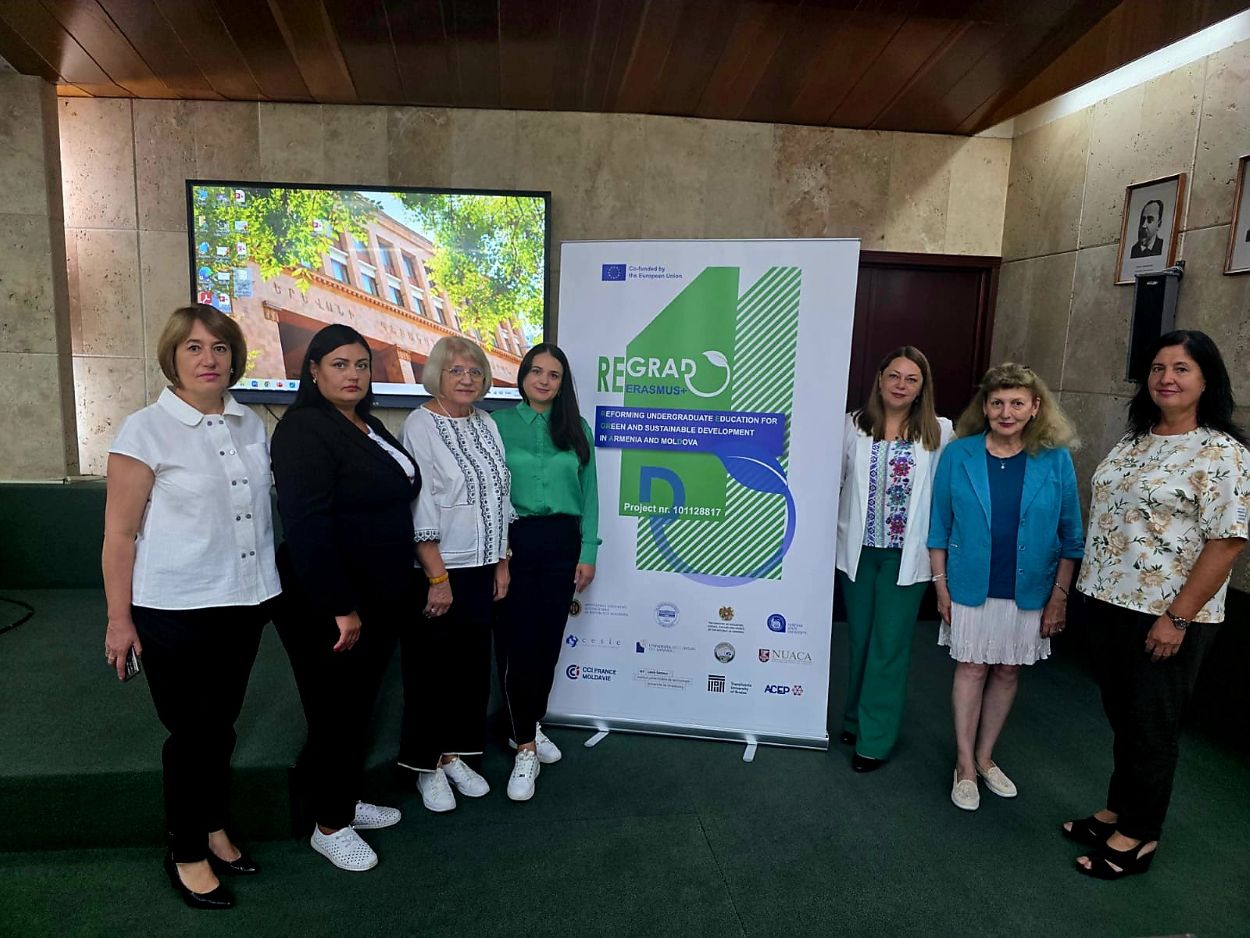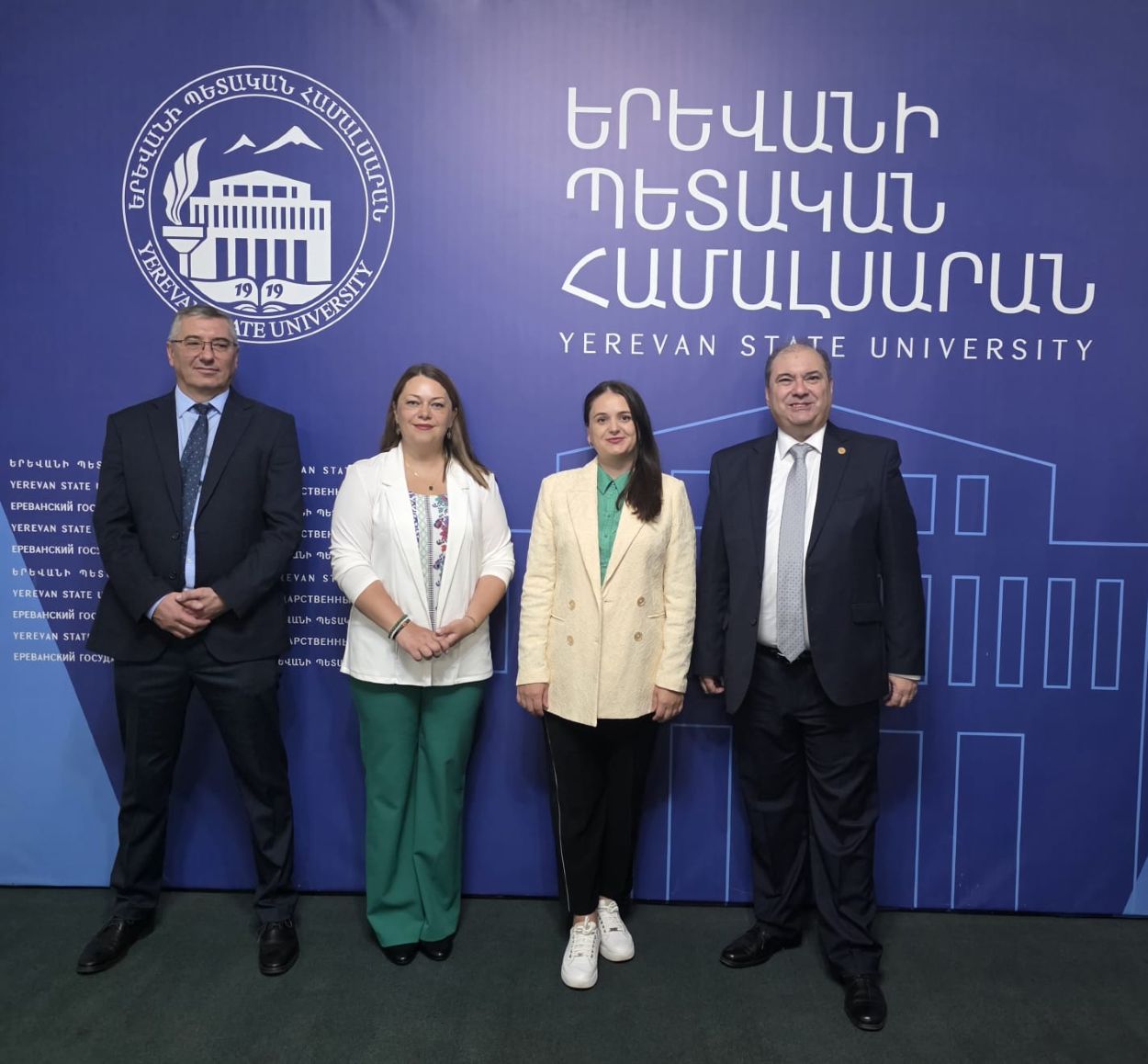
Technical University of Moldova, as project coordinator, concluded the Erasmus+ CBHE RE-GRAD project in Yerevan, a project dedicated to modernising higher education in the Republic of Moldova and Armenia.
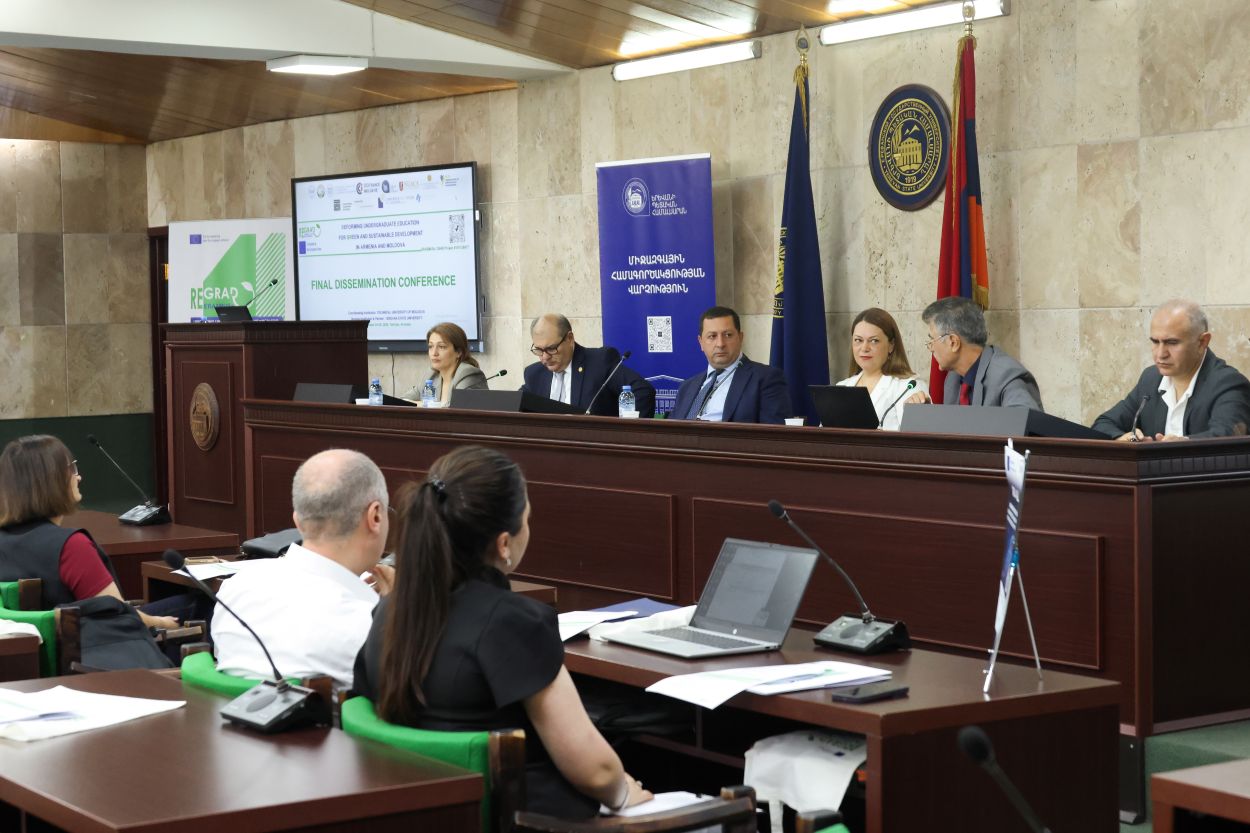
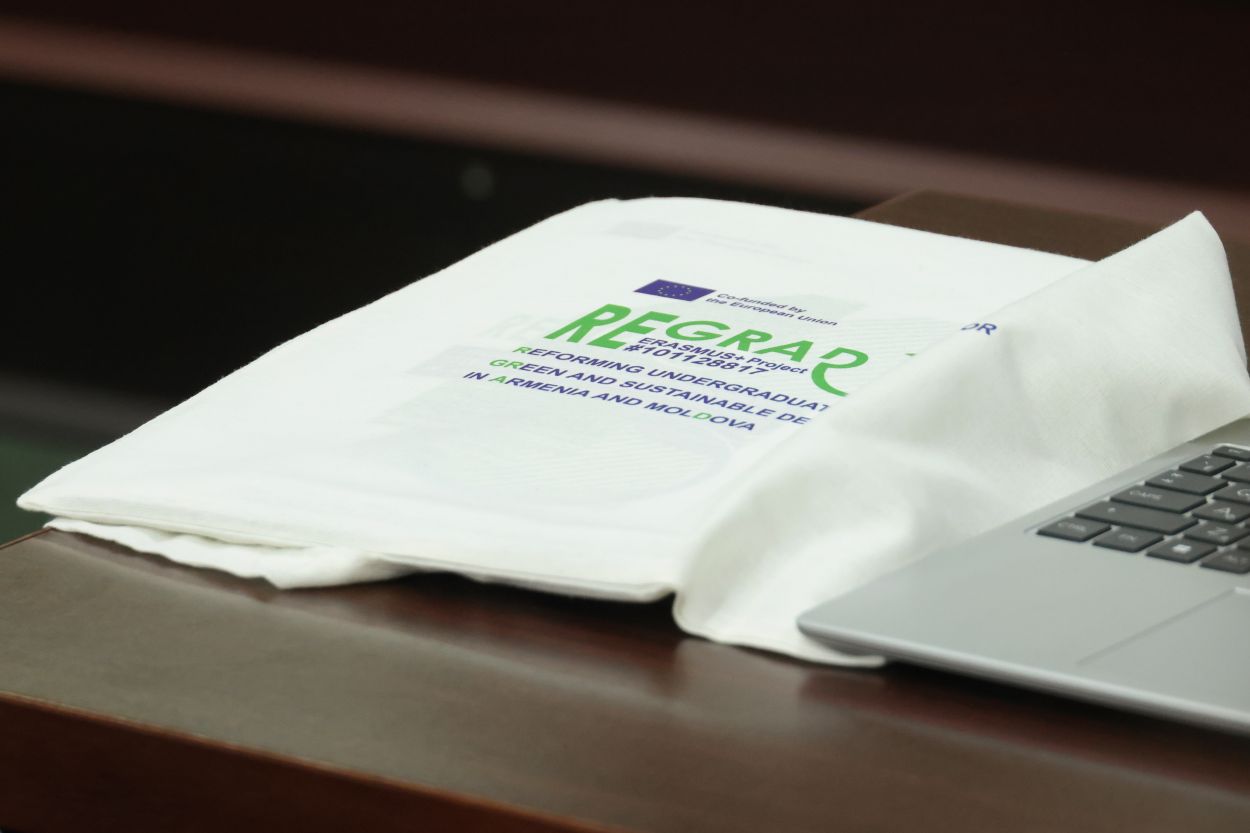
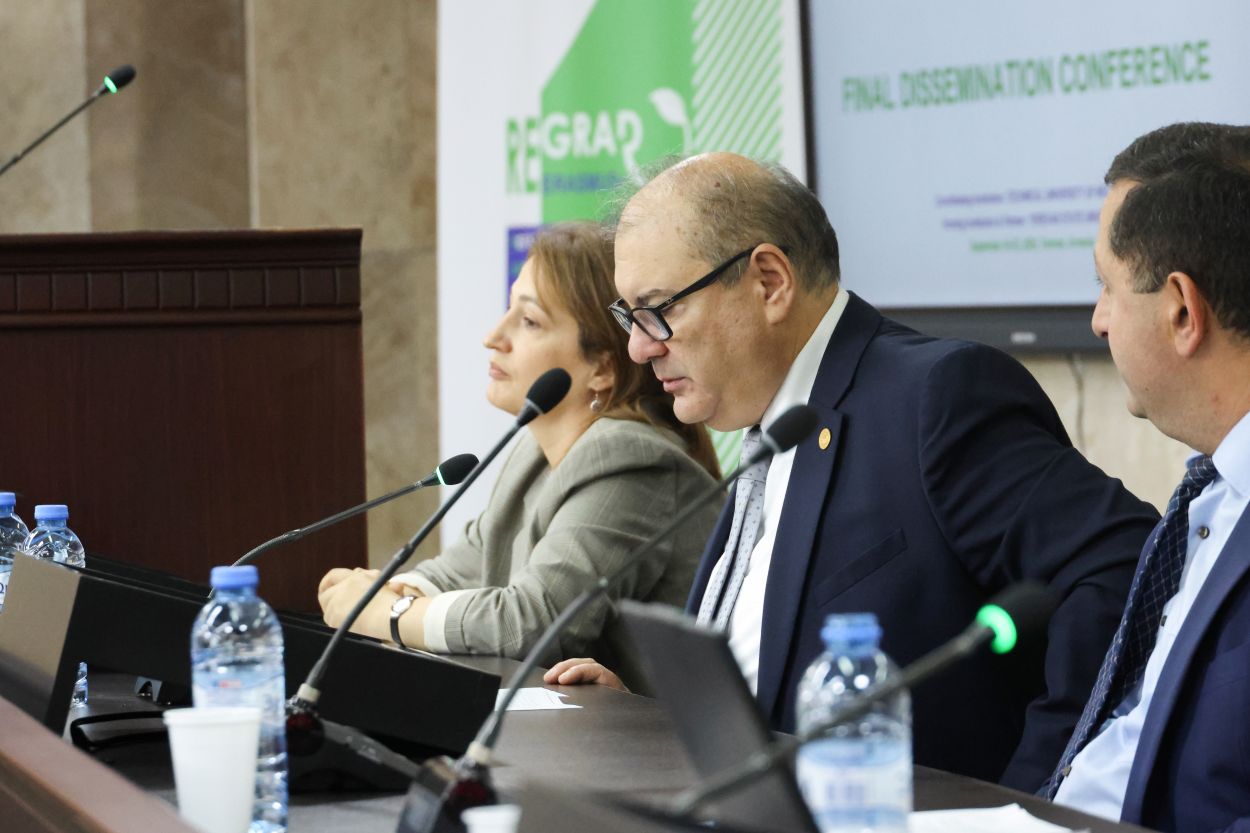
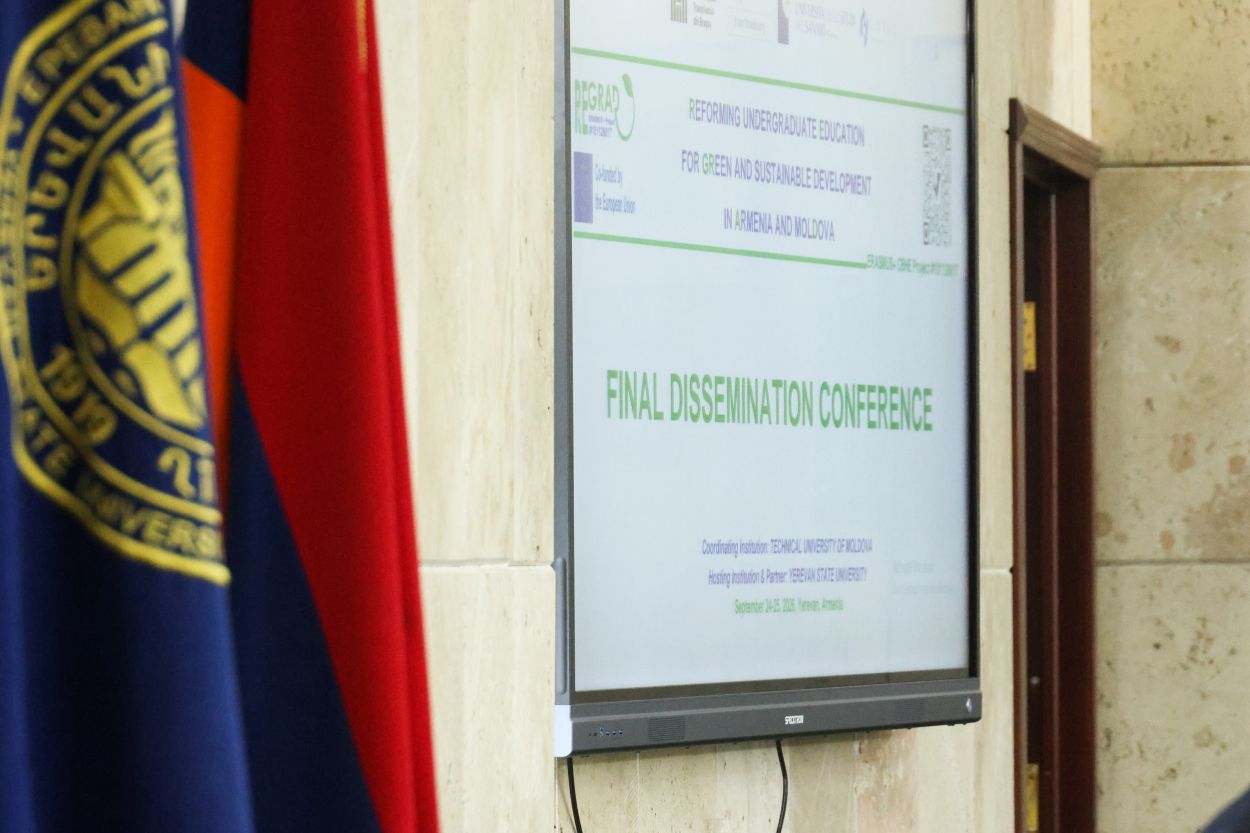
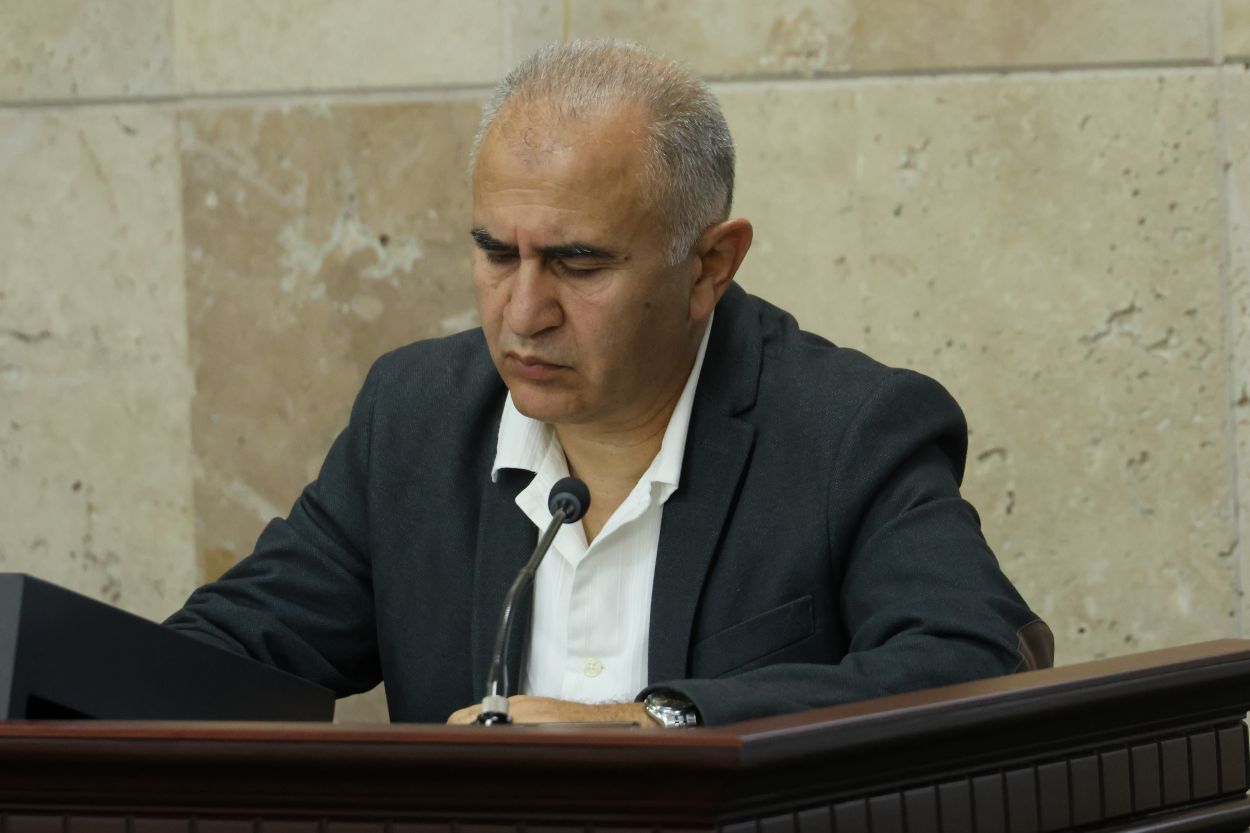
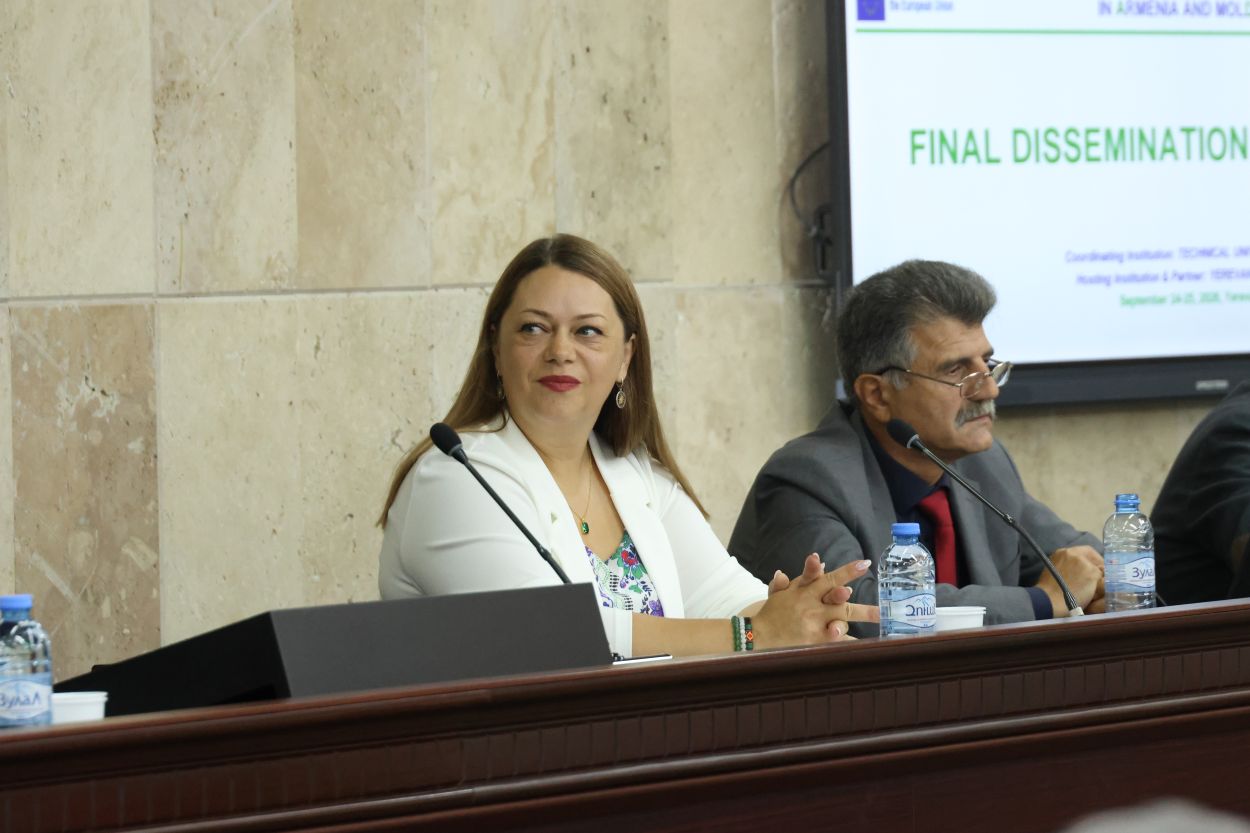
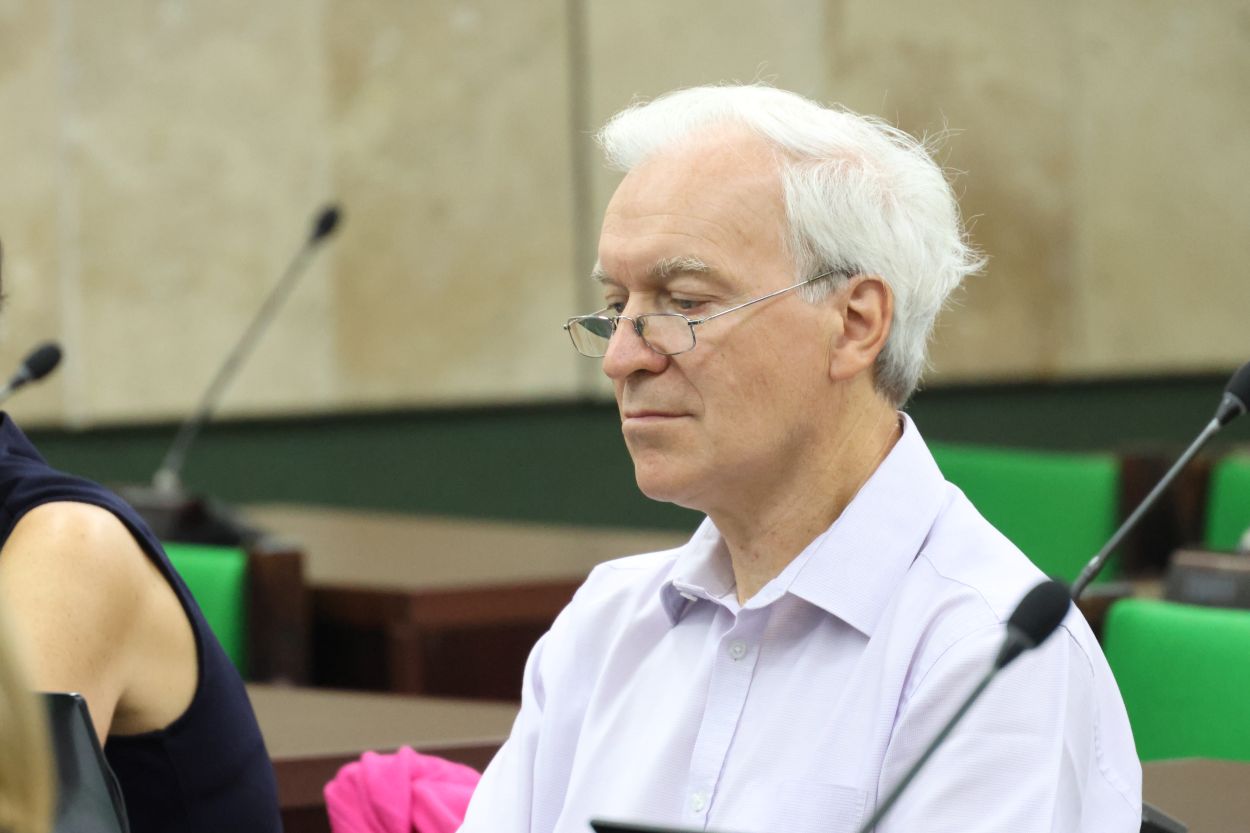
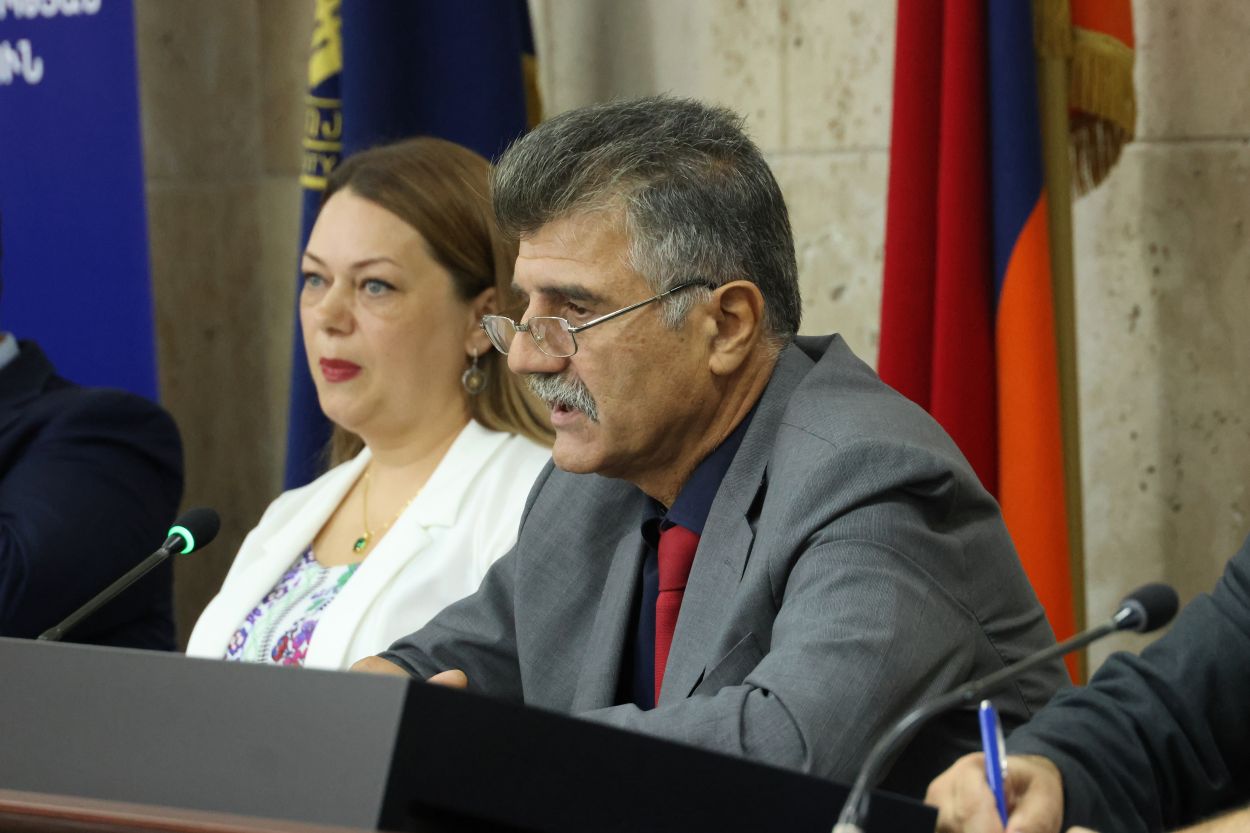
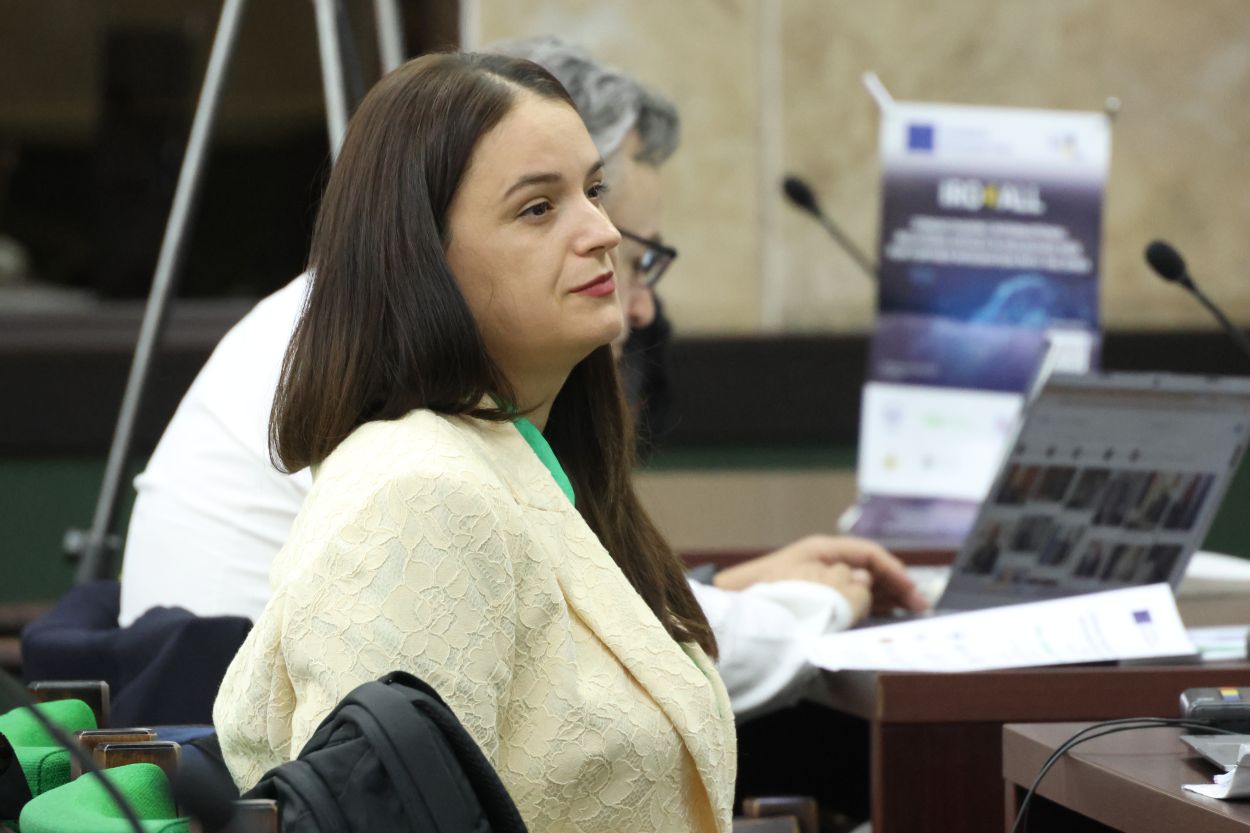
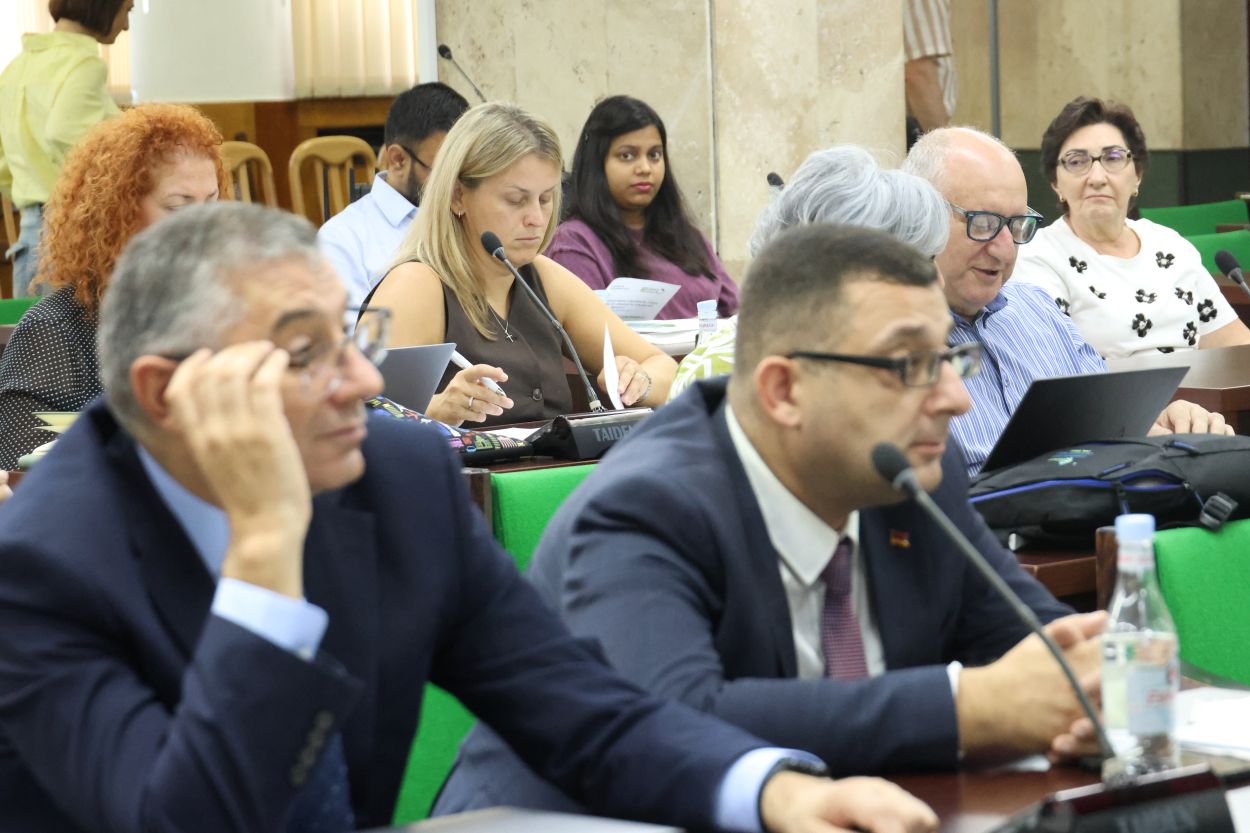
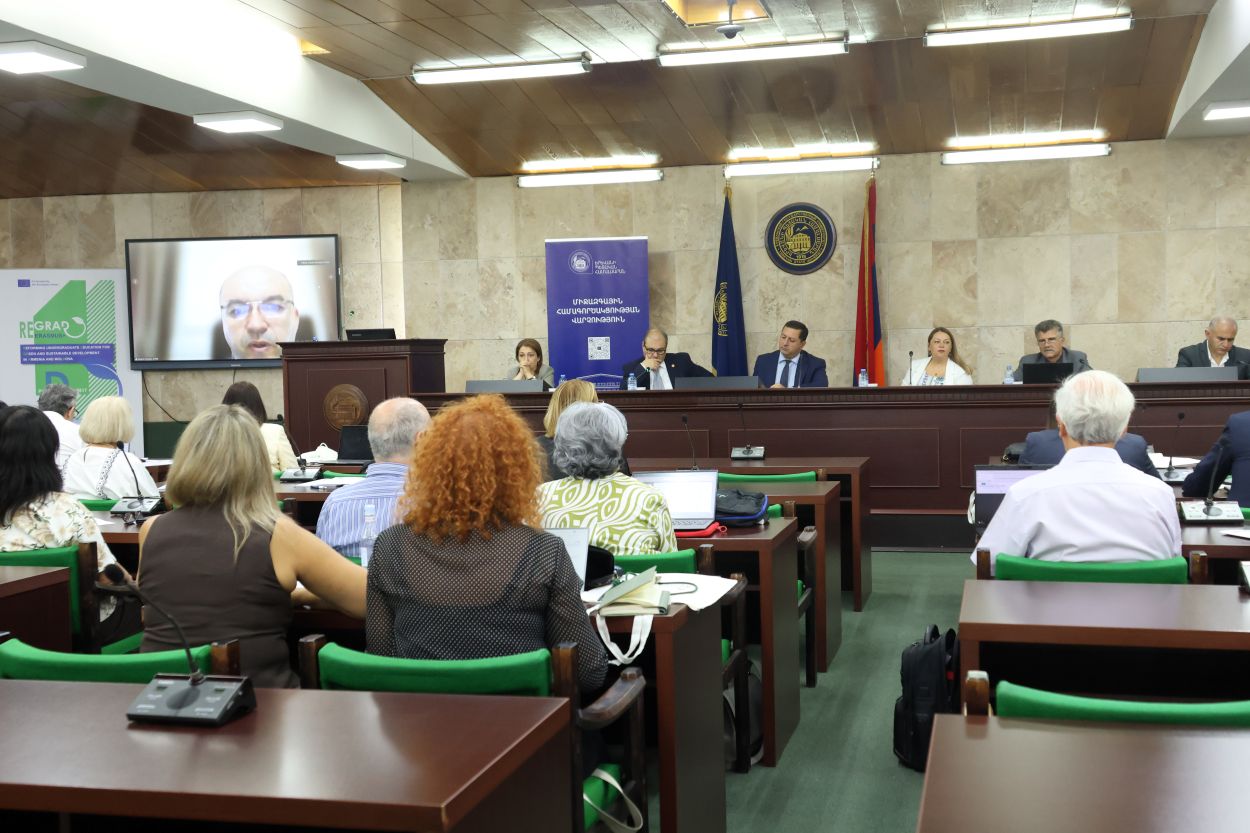
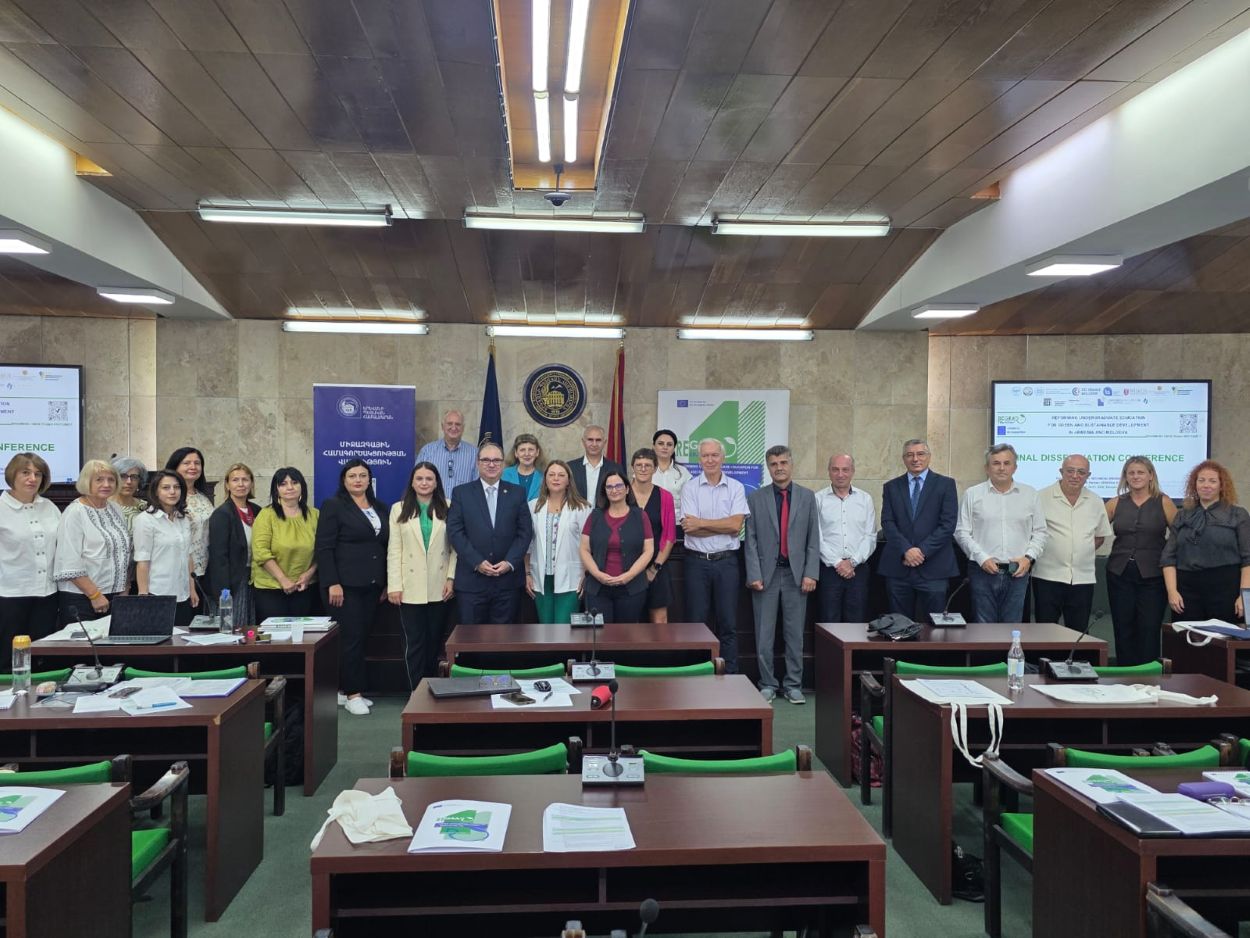
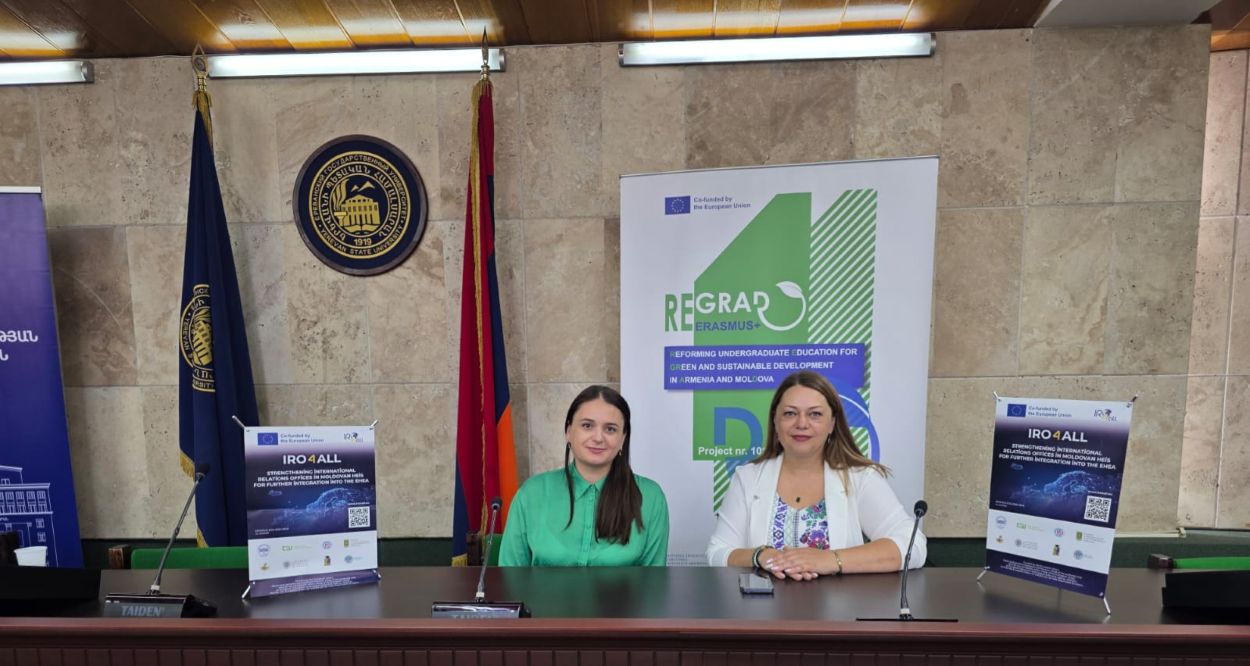
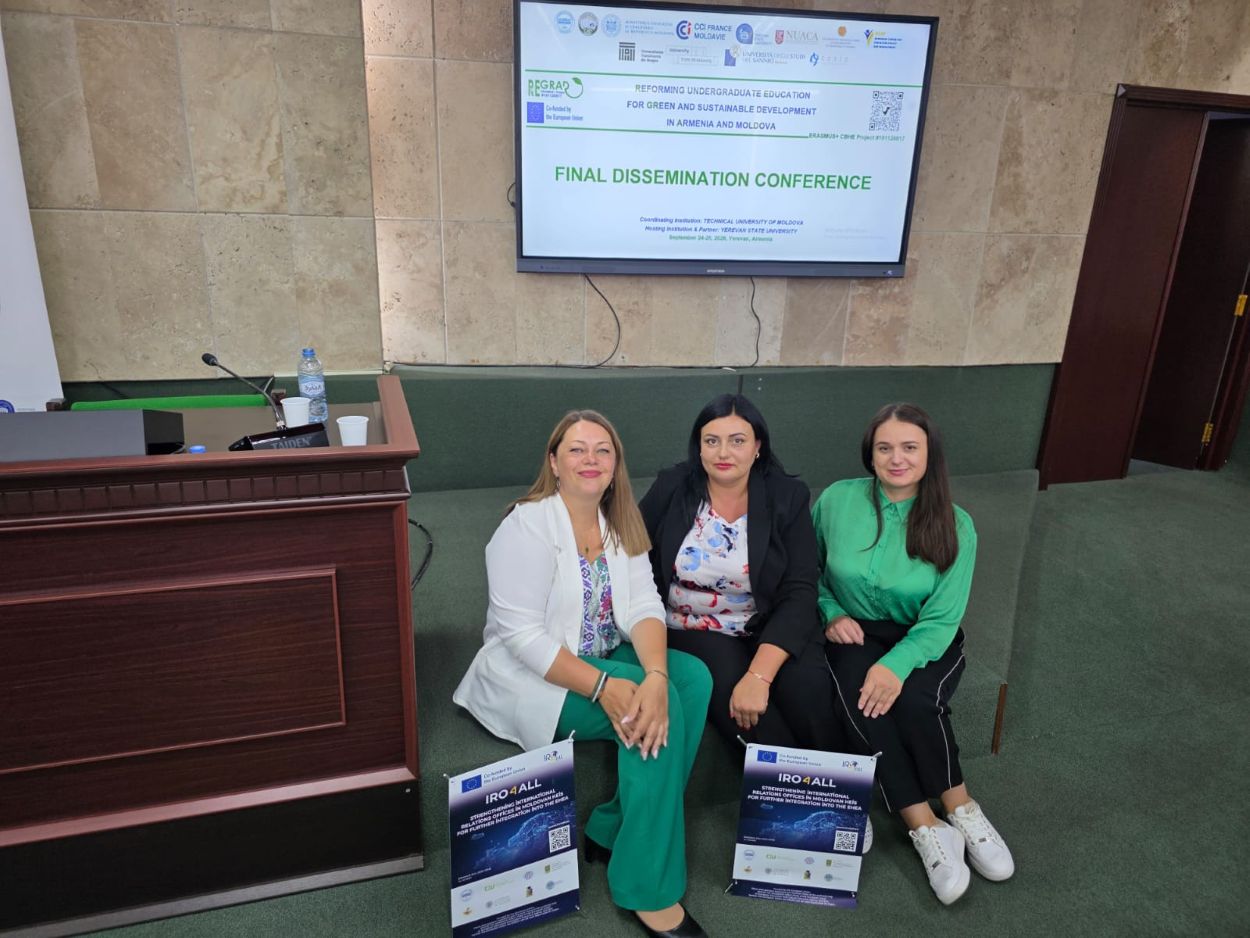
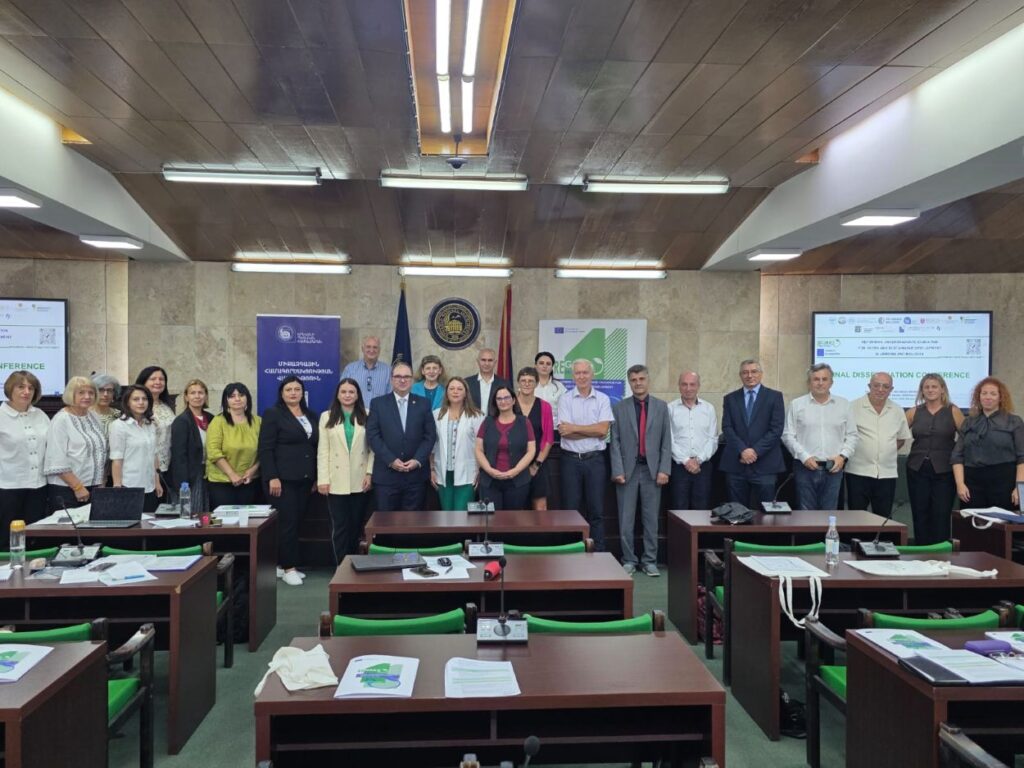
On 24–25 September 2026, the Final Dissemination Conference of the Erasmus+ CBHE RE-GRAD project “Reforming Undergraduate Education for Green and Sustainable Development in Armenia and Moldova” was held at Yerevan State University (YSU), Armenia. The project is coordinated by the Technical University of Moldova (UTM).
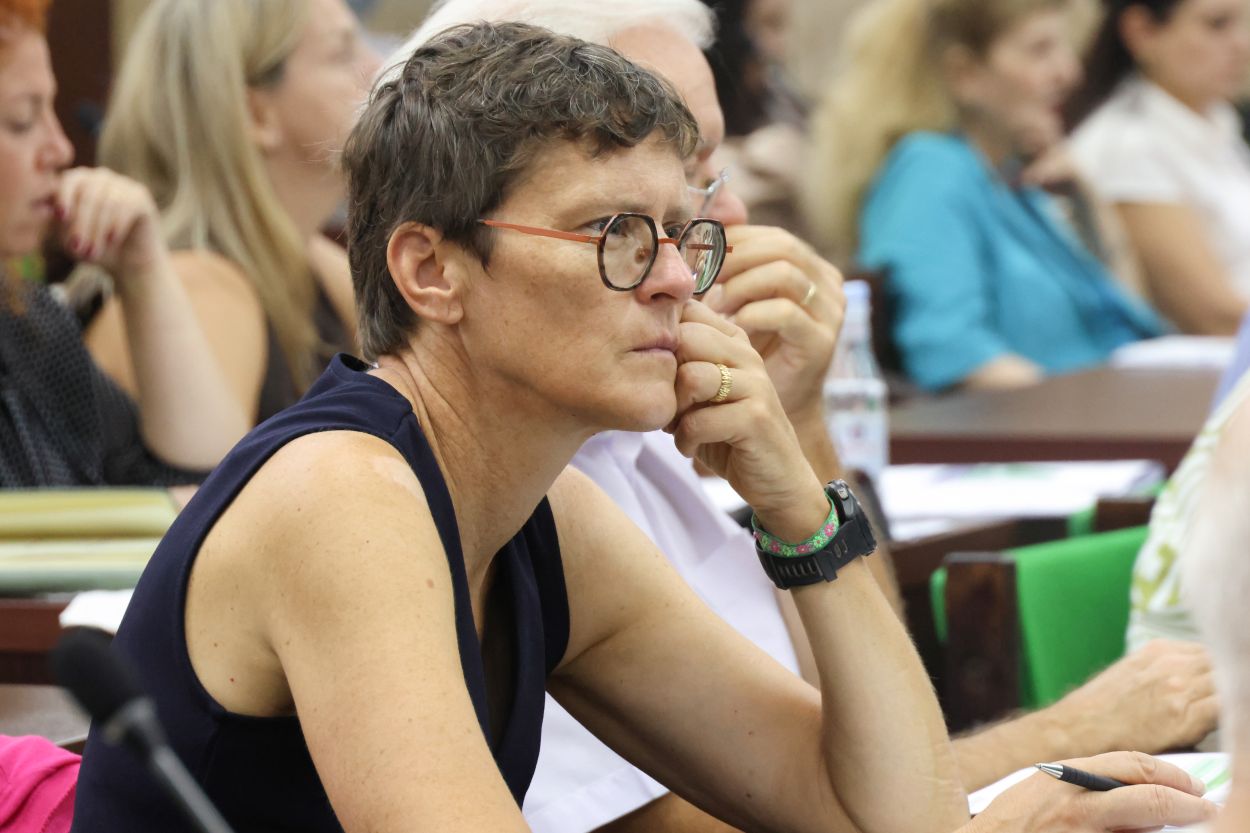
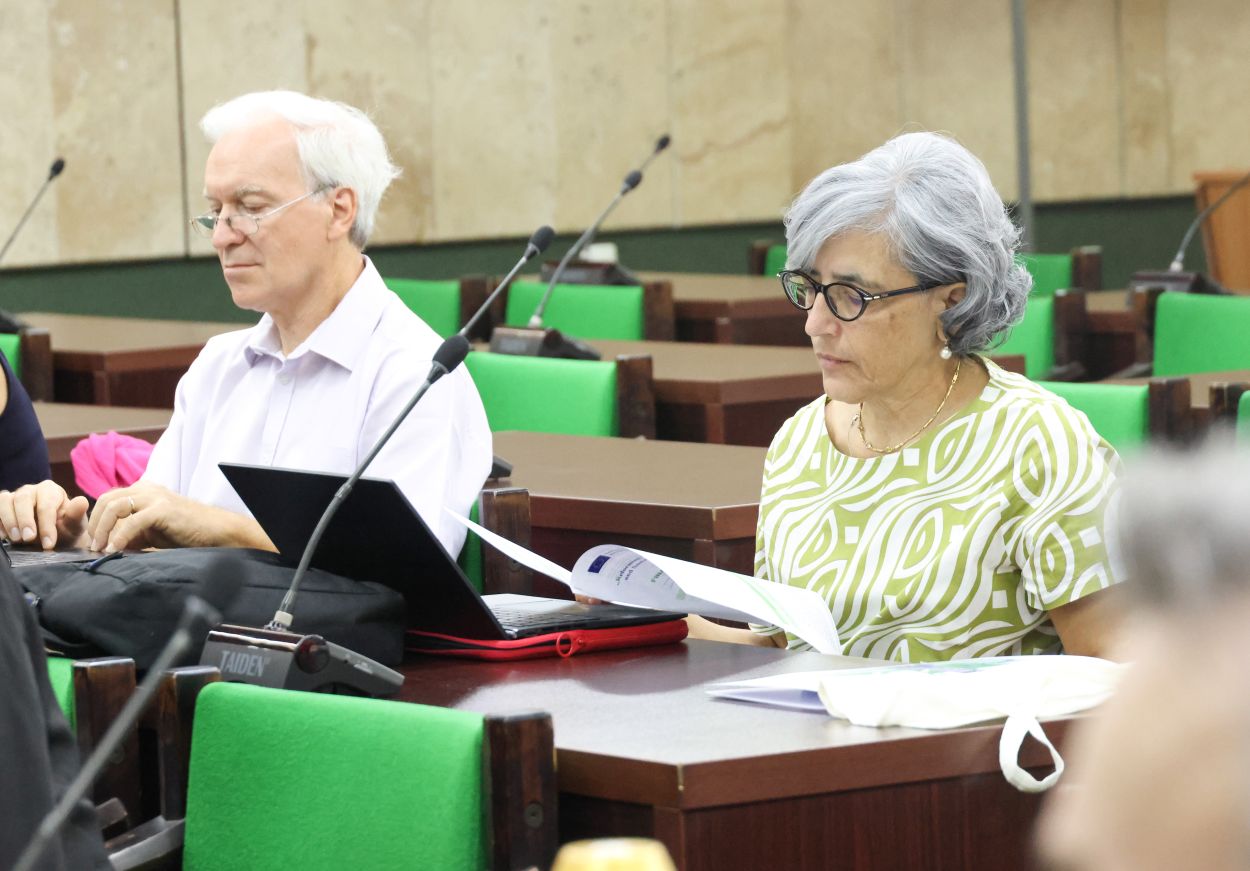
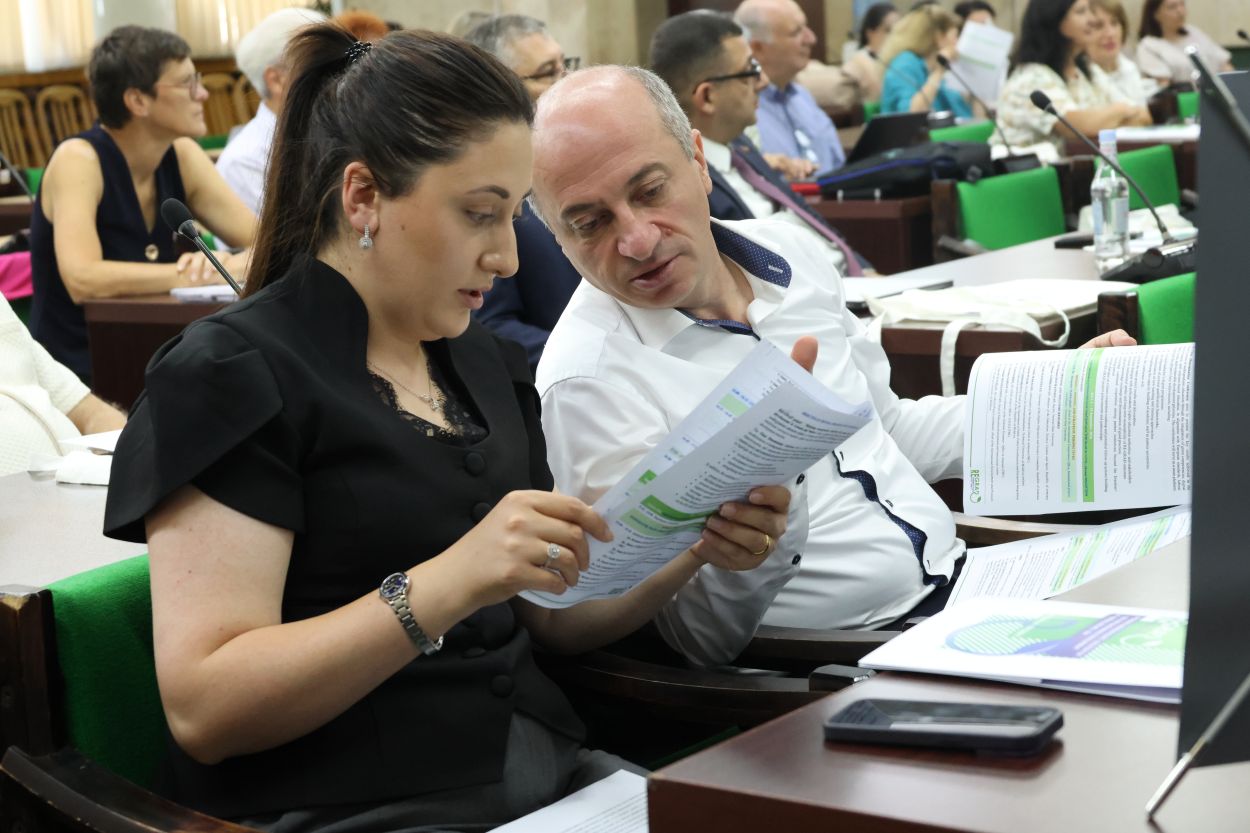
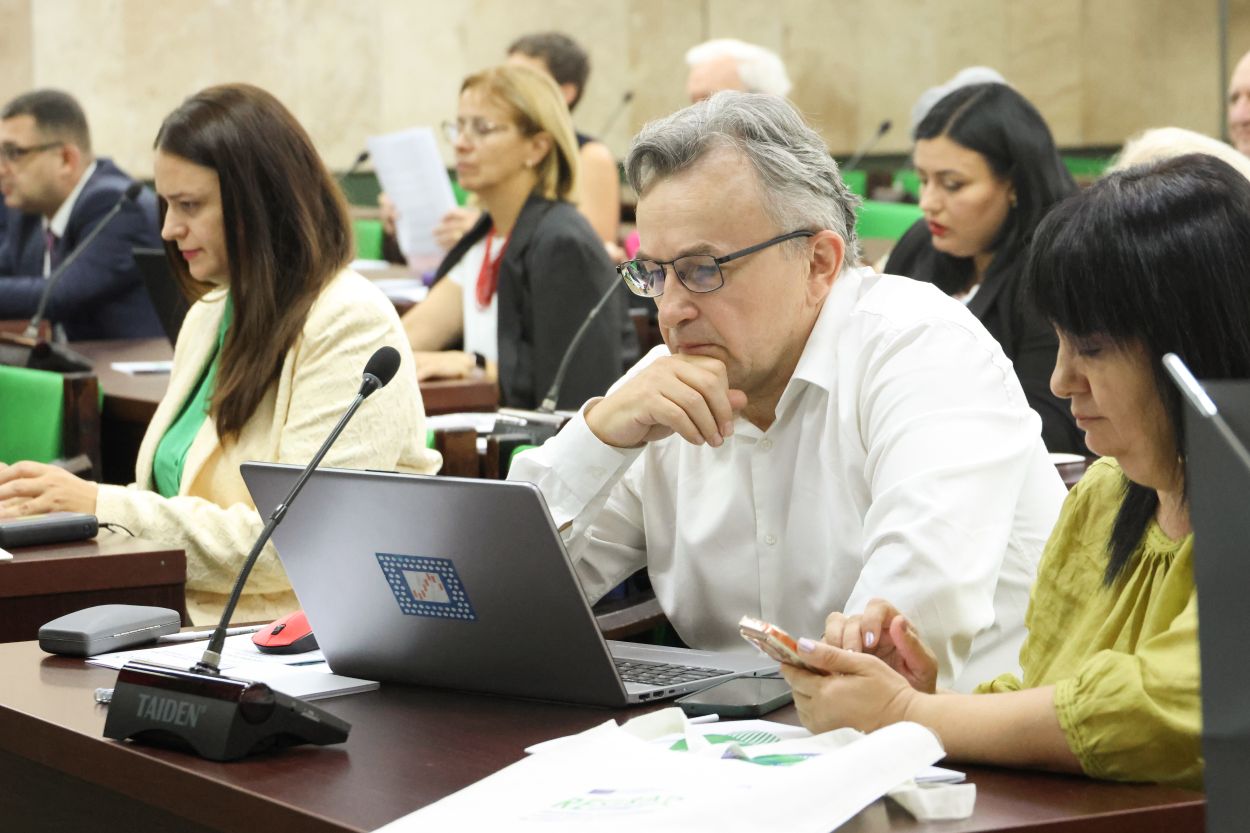
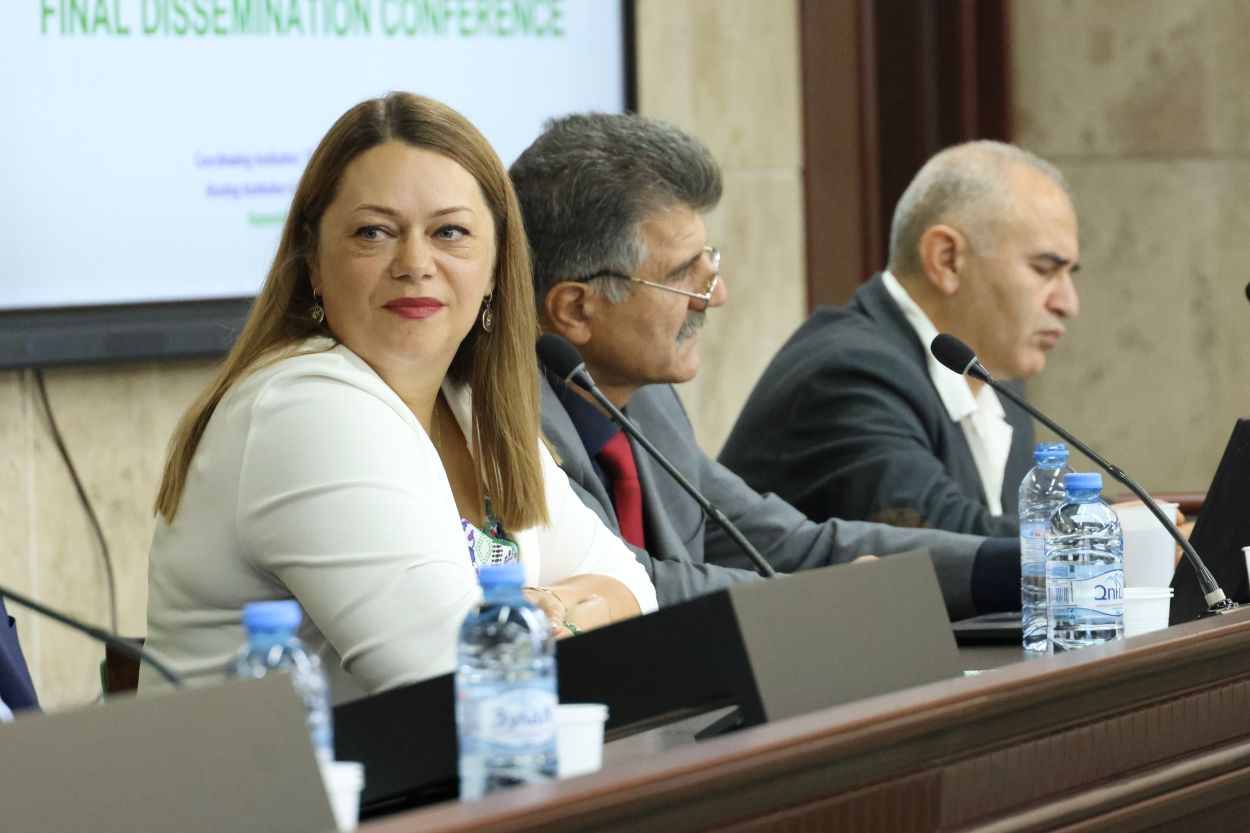
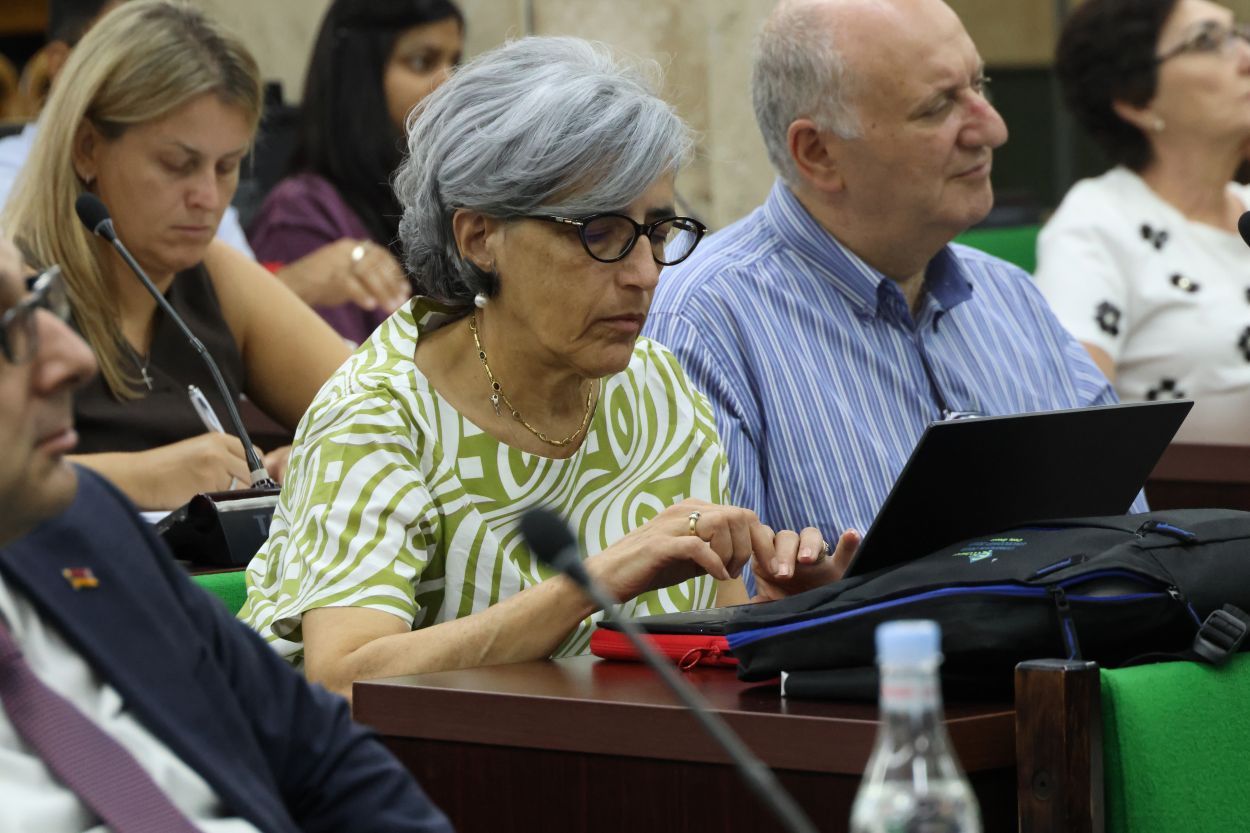
The event brought together representatives of the 12 partner institutions from the Republic of Moldova, Armenia, Romania, France and Italy, alongside representatives of education authorities, European experts, academics, students and other stakeholders. The conference provided a professional and dynamic platform for presenting the project’s results, sharing experiences and identifying new avenues for cooperation in the period ahead.
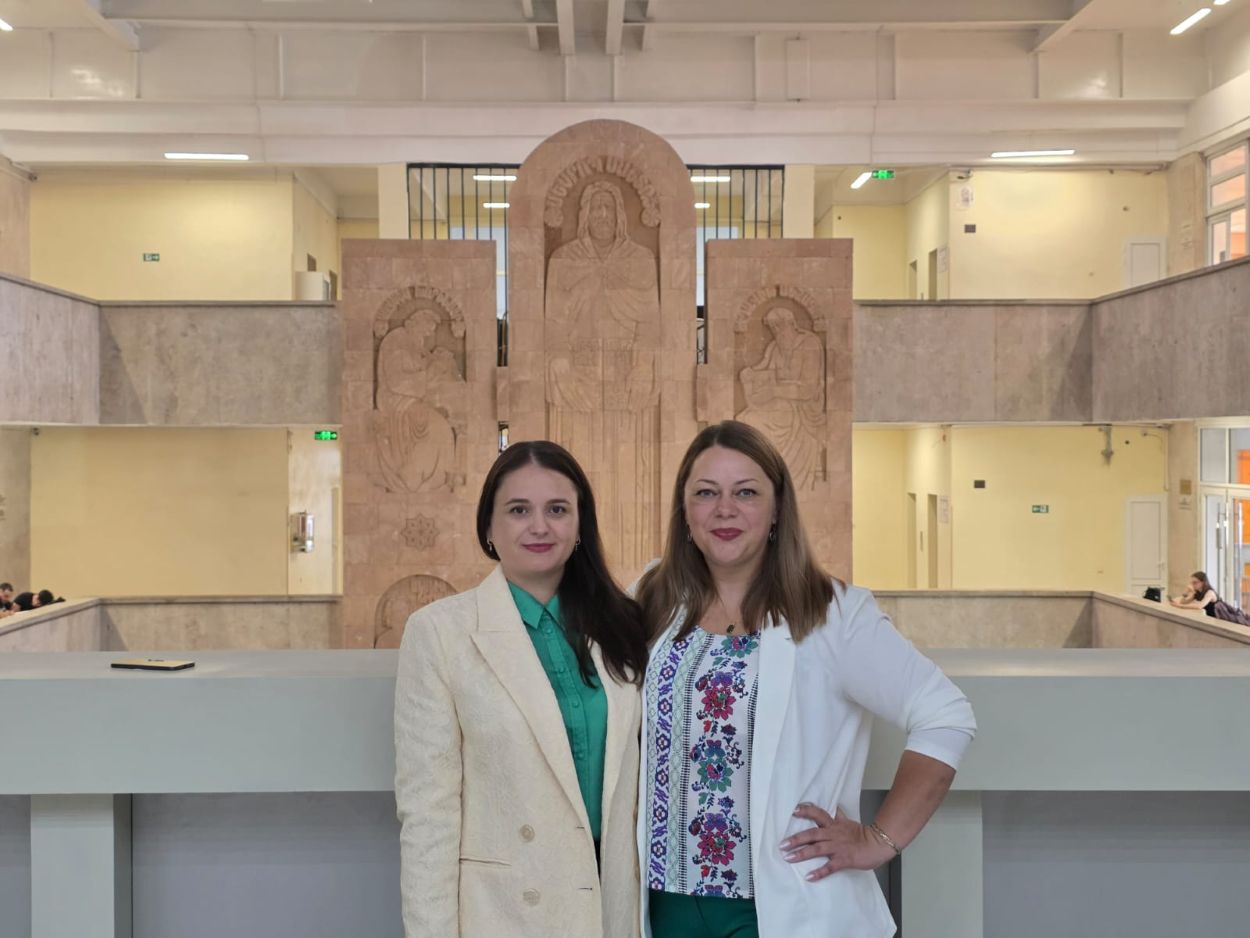
The UTM delegation was represented by Dr. Nina Puțuntean, Associate Professor, RE-GRAD Project Coordinator and Head of the International Development and Protocol Section; Dr. Cristina Diaconu, Lecturer, Project Manager and Head of the International Projects Management Section; as well as Oxana Cibotaru, Senior Internationalisation Specialist, International Development and Protocol Section; Dr. hab. Larisa Bugaian, Professor, Head of the Erasmus+ Centre; Dr. Viorica Lupu, Lecturer, Director of the UTM Scientific Library; and Dr. Ana Cozari, Associate Professor, Faculty of Food Technology.
From vision to concrete results
RE-GRAD focused on the reform and modernisation of undergraduate higher education in the Republic of Moldova and Armenia, supporting the transition towards more inclusive, digital and sustainability-oriented study programmes. The project placed particular emphasis on integrating green and digital competences, education for sustainable development, and a learning-outcomes-based approach.
The conference highlighted the project’s main achievements, including:
- the modernisation and revision of 8 undergraduate study programmes;
- the development and validation of sectoral qualification frameworks for the revised programmes in Armenia;
- the development and validation of the Concept for Integrating the Sustainable Development Goals (SDGs) into Higher Education Programmes in the Republic of Moldova;
- the implementation of new teaching and learning approaches;
- the strengthening of the competences and capacities of academic and administrative staff;
- the integration of green and digital competences into the educational process;
- the strengthening of international cooperation among partner institutions.
Five sessions, one direction: transforming education
The conference programme was structured around five thematic sessions, following the project’s journey from strategic perspectives on the green transition and sustainable development to curriculum innovation, the analysis of results and impact, quality assurance and long-term sustainability.
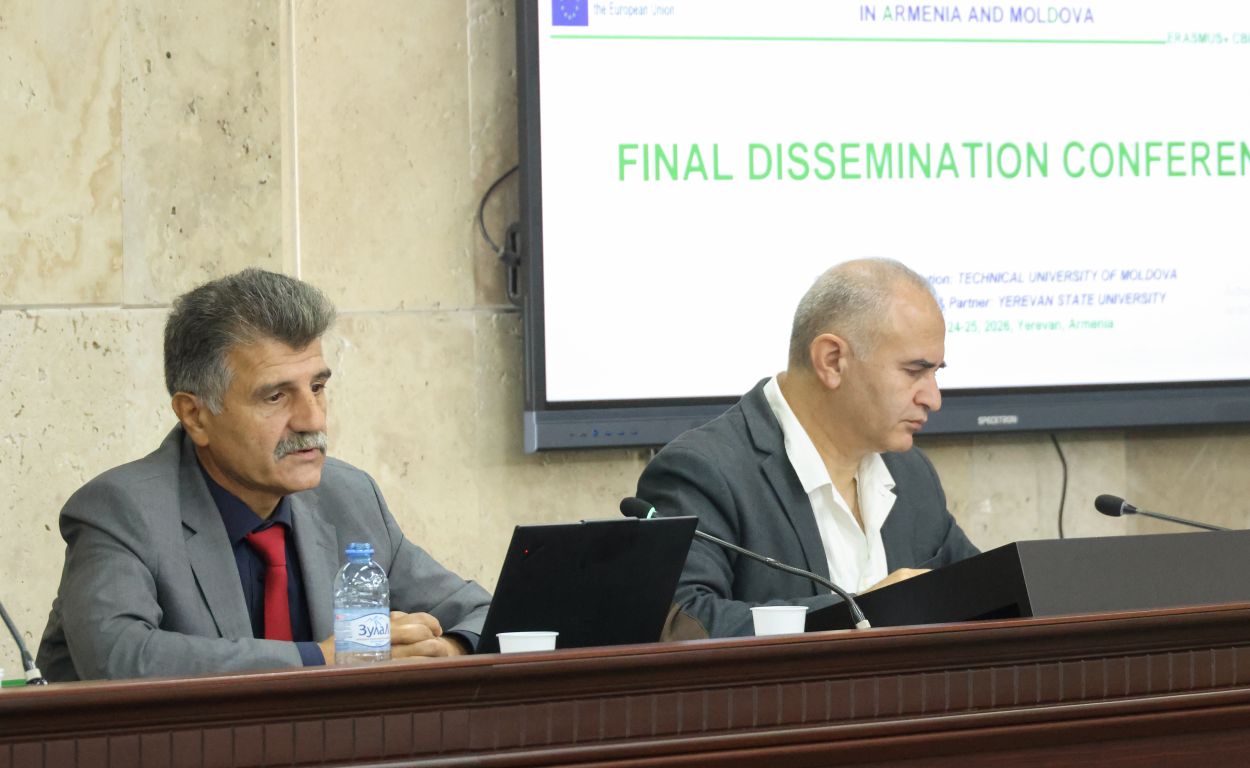
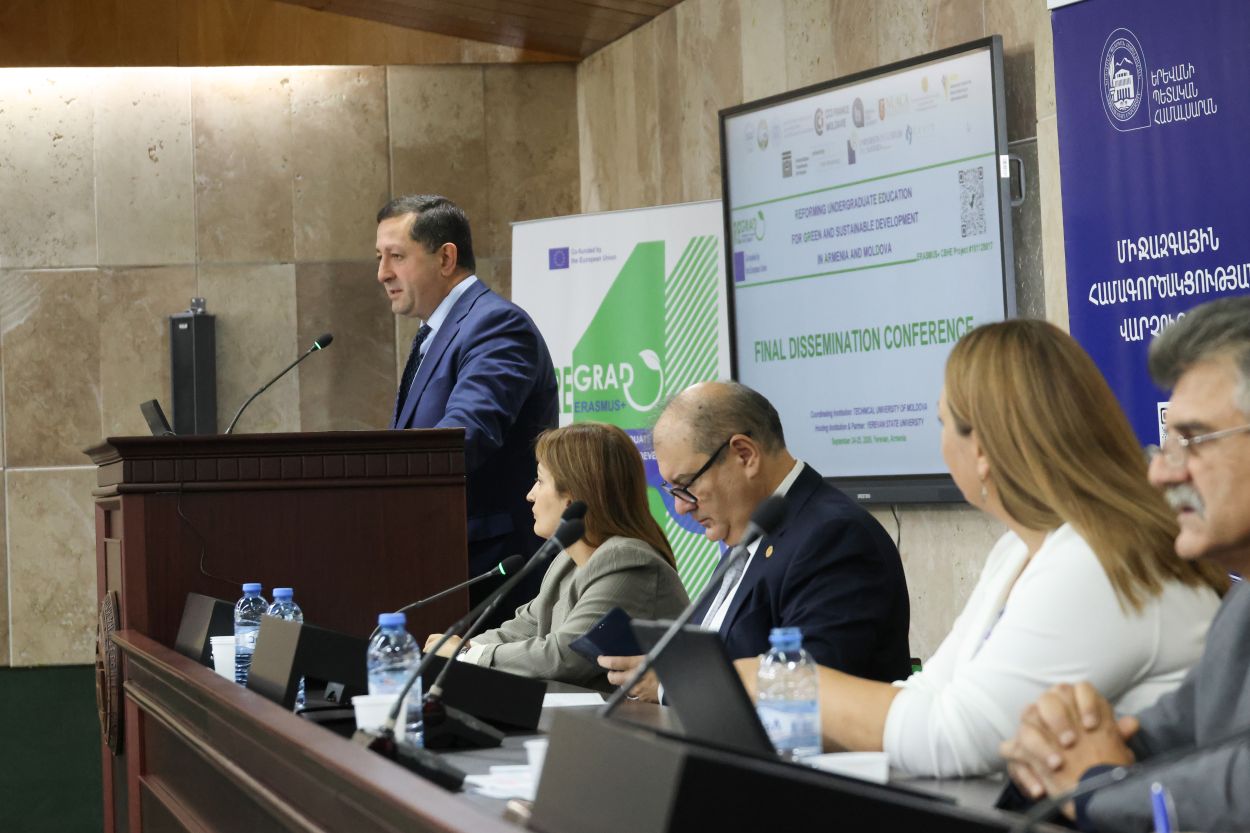
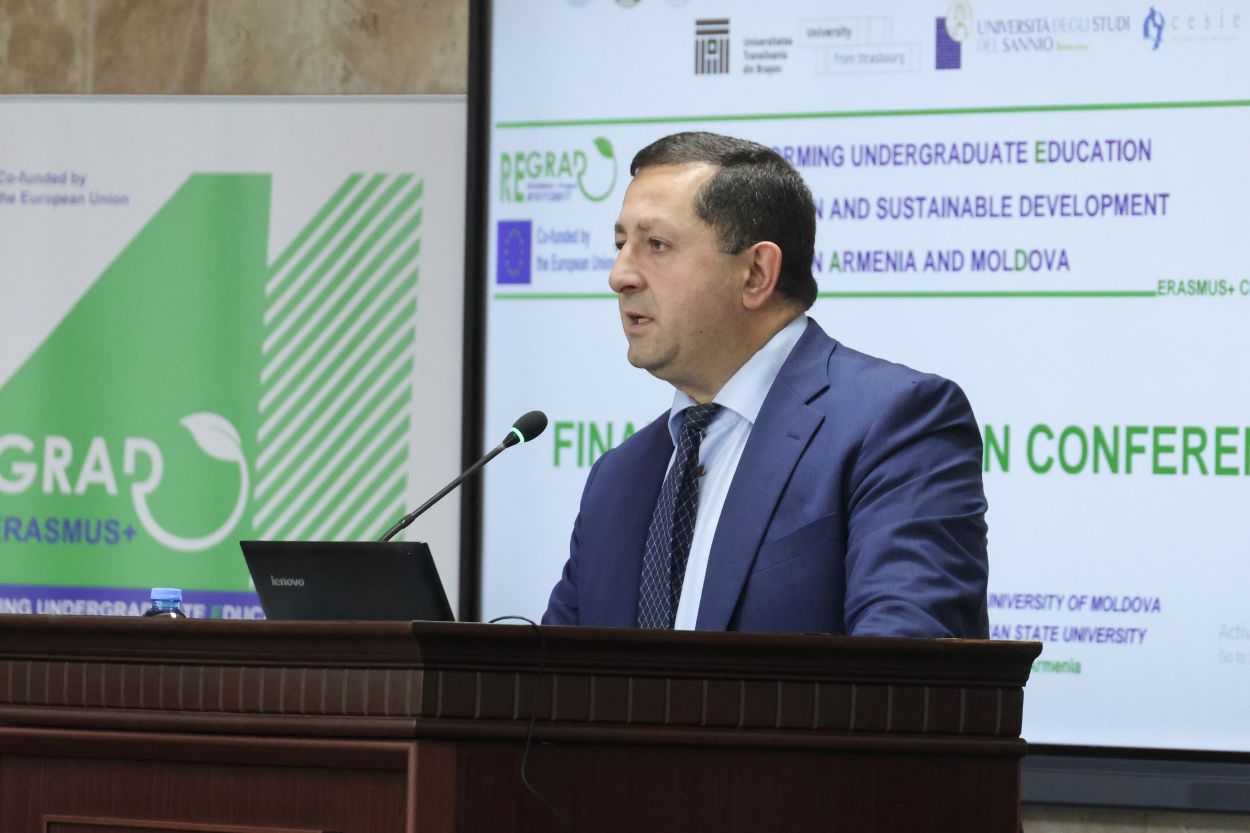
The official opening brought together representatives of Yerevan State University, the Ministry of Education and Research of the Republic of Moldova, the Delegation of the European Union to Armenia, the National Erasmus+ Office in Armenia, the Technical University of Moldova and partner institutions. An important contribution was made by Mr Paul Harris, RE-GRAD Project Officer at the European Education and Culture Executive Agency (EACEA), whose presence highlighted the European relevance of the project and the importance of the results achieved through cooperation among the partner institutions.
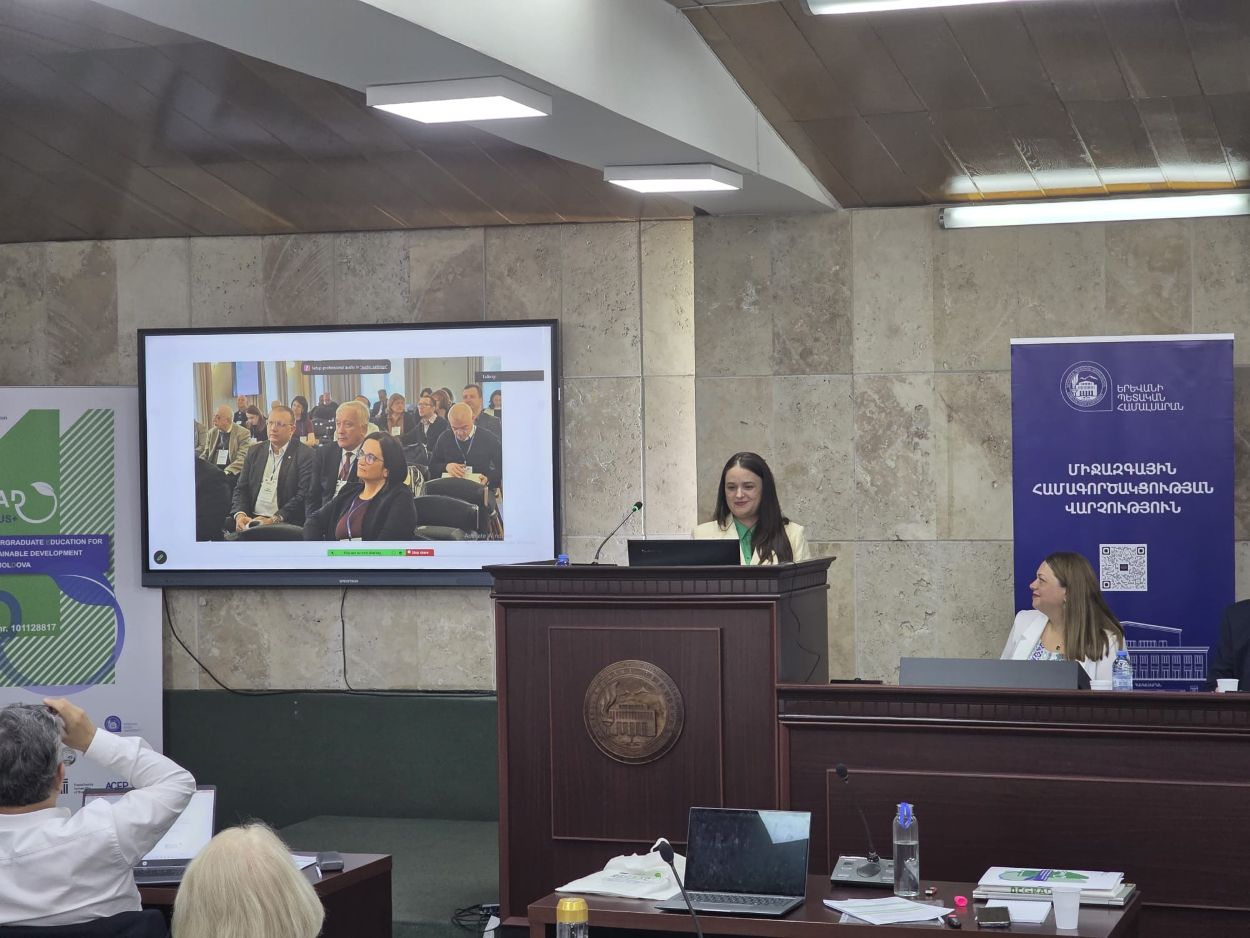
Representing UTM, Dr. Nina Putuntean, Associate Professor, RE-GRAD Project Coordinator, together with Dr. Cristina Diaconu, Lecturer, Project Manager, presented the RE-GRAD journey, its main achievements and its impact on the modernisation of higher education.
A dedicated session on the green and digital transformation of higher education addressed the integration of education for sustainable development, green competences, sectoral qualification frameworks and the learning-outcomes-based approach.
A central moment of the conference was the session “From Implementation to Impact: Results and Lessons Learned”, during which partner universities presented academic and scientific achievements, experiences of students and academic staff, as well as the perspectives of various stakeholders.
The European dimension of the project was further strengthened through two panels addressing the challenges and opportunities of teaching and learning for the green transition, as well as curriculum innovation. The discussions brought together experts and academics from Italy, France, Romania, the Republic of Moldova and Armenia.
Quality, sustainability and cooperation beyond RE-GRAD
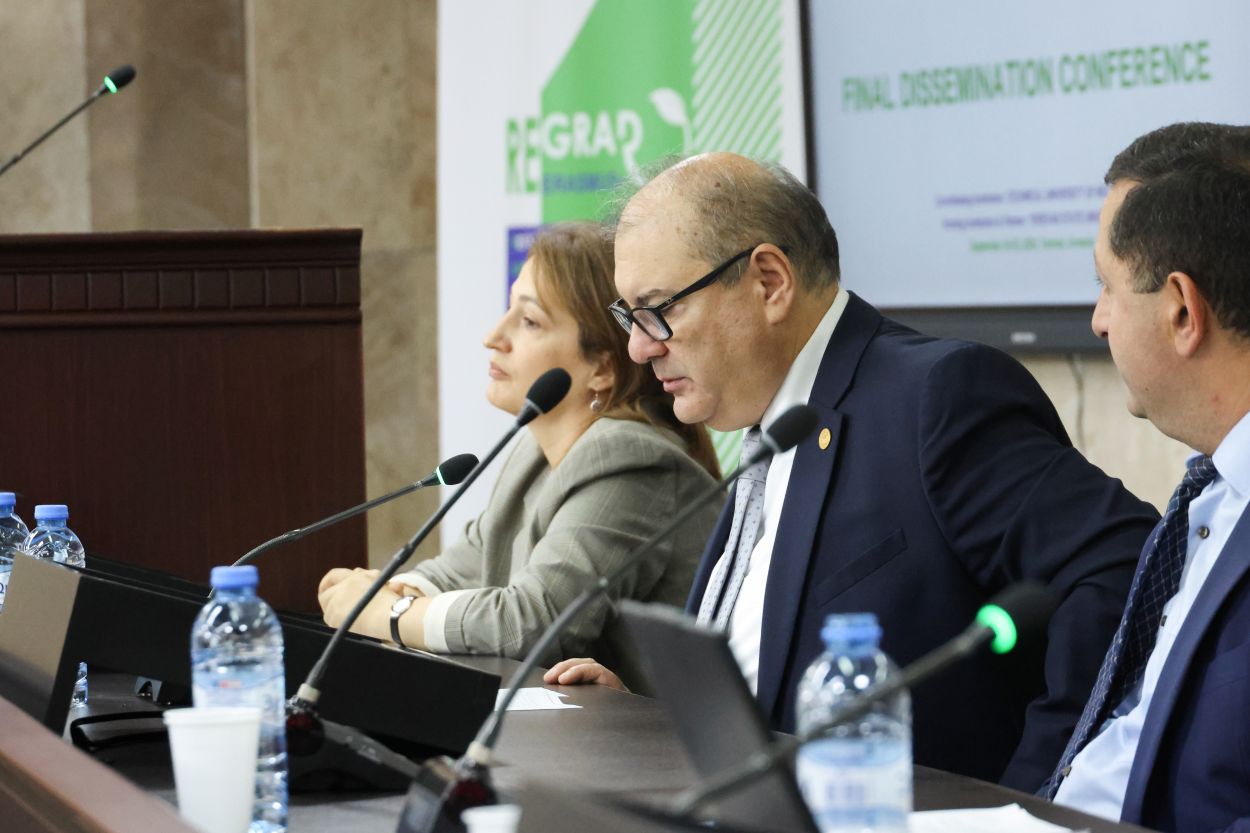
The final session focused on quality assurance, impact assessment and the sustainability of RE-GRAD results. Experts and external evaluators examined the project outcomes and the mechanisms through which the changes achieved can be consolidated and further leveraged over the long term. During the session “RE-GRAD Legacy: Sustainability and Future Cooperation”, Dr. Cristina Diaconu, Project Manager, presented perspectives for continuing collaboration among the partner institutions and opportunities for developing new joint initiatives.
The second day was dedicated to the project coordination meeting, during which the partners reviewed and validated key outputs related to sectoral qualification frameworks and curriculum documents, redesigned degree programmes and the sustainability plan. Discussions continued with an analysis of implementation indicators, administrative, financial and contractual matters, as well as the development of a roadmap for post-project activities.
Thus, the final conference was not merely a moment of reflection and closure, but also a starting point for new collaborations and European initiatives, building on the partnerships and experience developed throughout the implementation of RE-GRAD.
RE-GRAD – results that build the foundations for the future
For the Technical University of Moldova, coordinating RE-GRAD has been a valuable European cooperation experience, contributing to the strengthening of institutional capacities in curriculum modernisation, the integration of green and digital competences, and the development of international partnerships.
The two days in Yerevan demonstrated that a European project can go beyond the limits of its funding period when its results are embraced by institutions, embedded in educational processes and transformed into new partnerships.
RE-GRAD comes to an end as a project, but continues through its results, the competences developed and the partnerships built, creating a foundation for new joint initiatives and for the continued transformation of higher education towards a greener, more digital and more connected model that responds to the needs of society and the labour market.
Funded by the European Union. The views and opinions expressed are, however, those of the author(s) only and do not necessarily reflect those of the European Union or the European Education and Culture Executive Agency (EACEA). Neither the European Union nor EACEA can be held responsible for them.